Vest, Belt or Handheld? Matching Your Run's Carry System to the Distance
Runners over-buy the carry question — the vest for the 5k, the handheld for the ultra — when the answer is a matching problem: the distance, the climate and the stuff decide the system. The carry comparison: the three tools, the decision tree and the wardrobe.

The Three Systems
Honest profiles: the handheld (the strapped bottle in hand — the zero-setup simplicity; the 500ml-and-small-pocket capacity; the arm-swing asymmetry gripe: real for some, unnoticed by others; the switch-hands habit; the short-run champion), the belt (the waist-carried flasks-and-pockets — the phone-keys-gel capacity with bounce-free designs; the fit sensitivity: the bounce being a sizing-and-load problem per the fit doctrine; the middle-distance sweet spot; the minimal-feel advantage for vest-haters), the vest (the torso-distributed capacity — the liters of fluid, the layers, the mandatory kit; the fit-and-female-specific notes from the vest doctrine; the long-run and trail necessity; the overkill honesty below an hour), the sweat-and-chafe comparison (the handheld’s free back versus the belt’s waist band versus the vest’s shoulder coverage — the summer stakes from the chafe doctrine), and the cost ladder (the 15-dollar handheld to the 150-dollar vest — the spend matched to need per the budget doctrine).

The Decision Tree
Matching by run: the under-45-minutes ruling (the NOTHING option leading — the pre-hydrated short run needing no carry per the hydration doctrine; the loop-past-home water stop; the handheld for the hot days), the 45-to-90-minute band (the handheld or belt — the 500ml-and-a-gel needs; the phone-carriage preference deciding: the belt winning for the phone-toters), the 90-plus-minutes tier (the belt-with-two-flasks or the small vest — the fuel-and-fluid math from the fuel doctrine; the summer pushing toward the vest’s capacity), the trail-and-remote modifier (the vest regardless of duration — the self-sufficiency kit from the trail doctrine; the jacket-whistle-food margin), the climate dial (the summer shifting every band toward more capacity per the heat doctrine — the winter’s lower needs and the layer-carriage flipping toward the vest’s storage), the race-rules override (the mandatory-kit events requiring the vest per the race doctrine), and the body-preference vote (the tried-all-three verdicts differing legitimately — the borrow-before-buying from the trial doctrine).
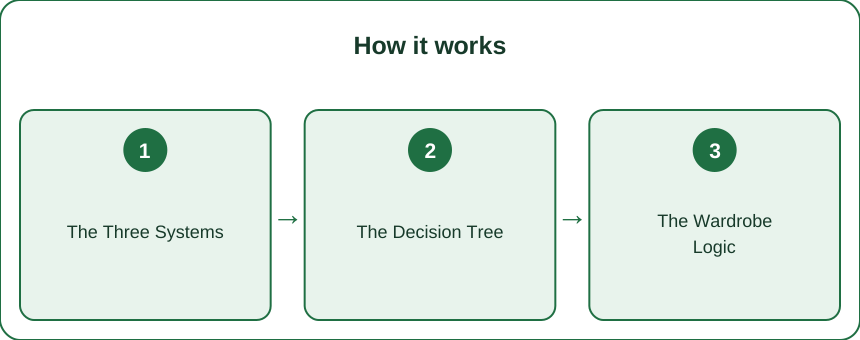
The Wardrobe Logic
Building the carry kit: the sequence (the handheld first — the cheapest, the most-runs-served; the belt second as the phone-and-city upgrade; the vest when the long runs arrive per the earn-it doctrine), the overlap honesty (the belt-plus-handheld combination covering surprising range — the vest purchase deferred honestly; the two-tool runner being complete for road running), the fit-testing protocol (the loaded bounce test for every system — the store trial at a jog; the return windows used per the fit doctrine), the maintenance notes (the bottle-and-bladder hygiene from the bottle doctrine — the flask-drying rack; the vest wash rules from the care doctrine), the crossover uses (the belt as the travel-and-dog-walk carrier — the vest as the hike day pack per the multi-use doctrine), and the closing verdict (the carry system being the run’s servant — the least equipment that covers the day’s needs; the drawer of options beating the one-tool dogma; the water, carried exactly as much as needed, no more; the run, unburdened). Handheld for short, belt for the phone miles, vest for the long and wild: the carry, matched not maxed.
Match, don’t max: nothing under 45 minutes, handheld or belt to 90, belt-with-flasks or small vest beyond, and the vest always for trail-and-remote regardless of time. Buy in that order — handheld, belt, vest — and bounce-test everything loaded before keeping it.
Keep Reading
This article is for general informational and styling purposes only. Fit, sizing, and product availability may vary.